Fuel Filters
 Oil Filters
 Air Filters
 Cabin Filters
 Other Filters

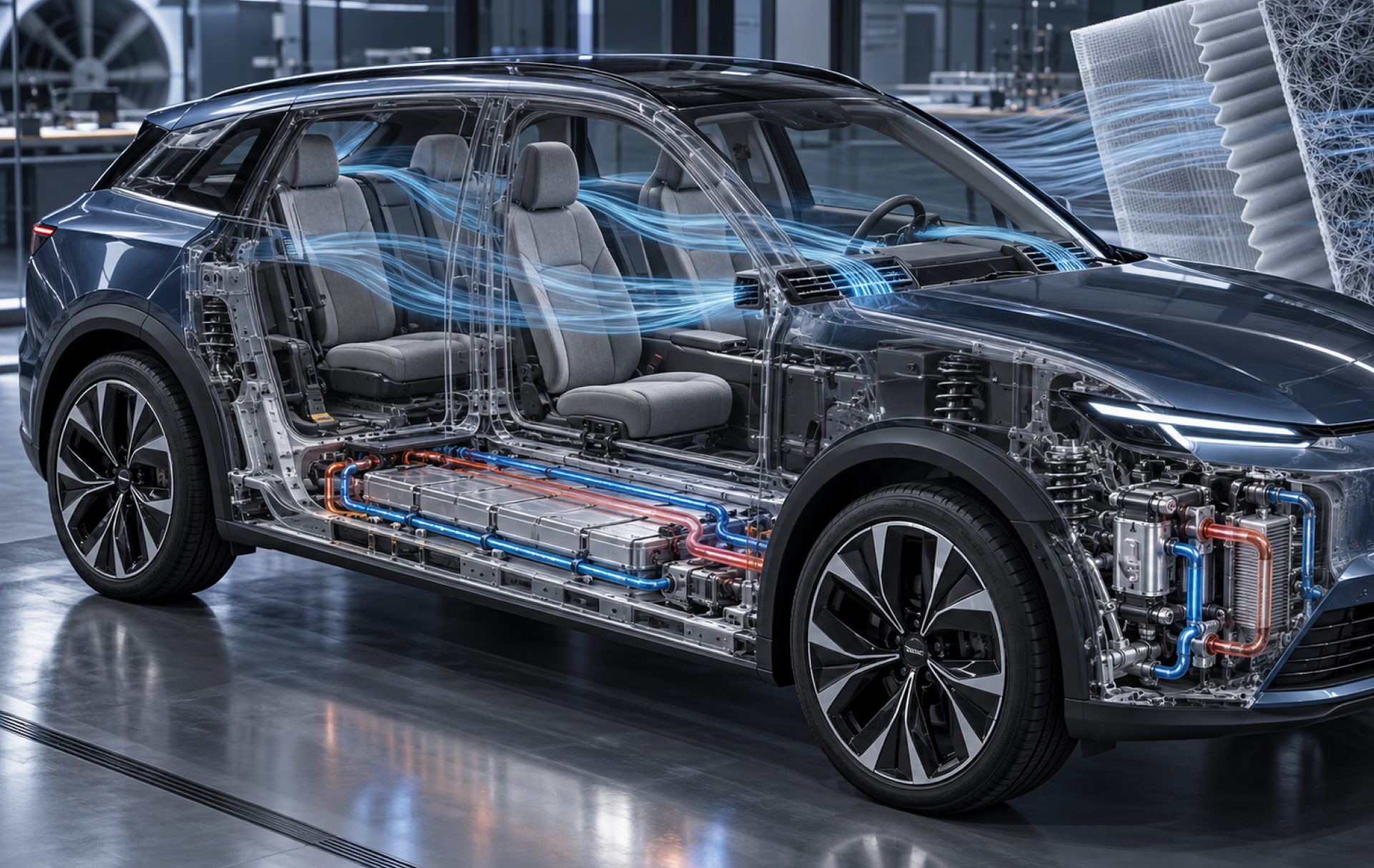
For a filtration manufacturer, the shift to electric vehicles raises an obvious question: what happens when some of the filters that have defined the automotive aftermarket for decades are no longer part of the powertrain?
At A.L. GROUP, we believe the more interesting question is what comes next.
Electric and hybrid vehicles are changing vehicle architecture, and with it, the role filtration can play. Cabin air quality remains relevant, while new vehicle systems create different requirements around airflow, liquids and contamination control. A.L. GROUP is already exploring filtration applications for electric and hybrid vehicles as part of its work in new fields of filtration.
What Changes and What Stays?
In a conventional vehicle, filtration is closely connected to the internal combustion engine. Air, oil and fuel filters protect components and help systems operate as designed.
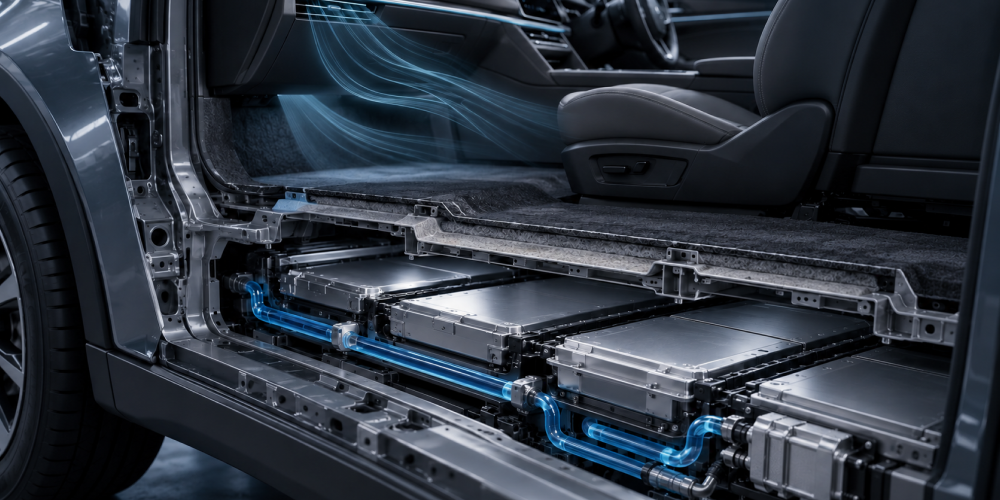
A battery-electric vehicle changes that familiar mix.
But one important filtration application remains independent of the powertrain: cabin air filtration.
Whether the vehicle is electric, hybrid or powered by an internal combustion engine, its HVAC system still needs to manage the air entering the passenger compartment. Cabin filters are designed to reduce the entry of dust, pollen, soot and other contaminants.
This makes cabin filtration a natural point of continuity between today’s aftermarket and tomorrow’s vehicle fleet.
EVs Require a Different Engineering Mindset
The bigger shift, however, goes beyond individual filter categories.
Modern automotive filtration is already becoming more system-dependent. A.L. GROUP notes, for example, that modern fuel filters may incorporate heaters, temperature elements, sensors, pressure or restriction monitoring and flow-management features. Developing an aftermarket solution therefore requires attention not only to fit, but also to sealing, flow characteristics and functionality.
Electrification makes that engineering mindset increasingly relevant.
Instead of asking only:
“Can we manufacture a filter that fits?”
the question becomes:
“What does this component need to do within the system?”
That means understanding the application, operating environment, airflow or liquid-flow requirements, materials and interfaces before determining the right filtration solution.
From Filters to Filtration Solutions
This shift connects directly with the way A.L. GROUP is evolving its filtration capabilities.
The company combines in-house design and development, laboratory testing and global manufacturing, while also developing technologies intended to take filtration beyond conventional particle capture.
One example is IN-EX, A.L. GROUP’s media-enhancement platform. The technology is designed to embed functional particles into filter media through a water-based process while preserving its original air or liquid-flow characteristics.
That does not make IN-EX an “EV filter”. Rather, it illustrates a broader direction that we believe matters for the future of filtration: moving from standard filtration products toward application-specific, functional filtration solutions.
So, What Comes Next?
Nobody should assume that every filtration application in an electric vehicle will become an aftermarket opportunity.
Some will. Others may remain integrated into systems or require different service models.
For us, that is precisely why the transition is interesting.
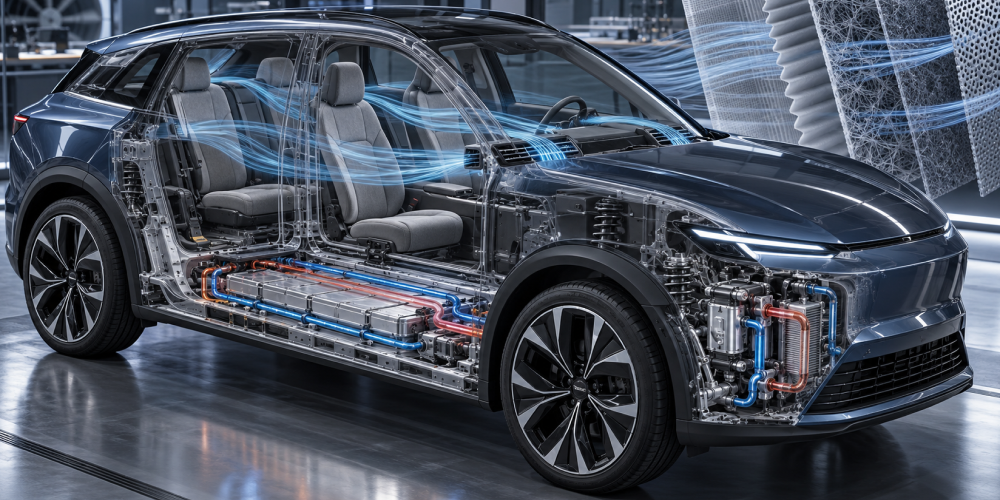
Electric mobility requires filtration companies to look beyond familiar product categories and understand where their expertise can solve new engineering challenges.
At A.L. GROUP, our approach is to build on decades of automotive filtration experience while exploring how this knowledge can be applied to the next generation of mobility.
The vehicle is changing. Filtration has to evolve with it.